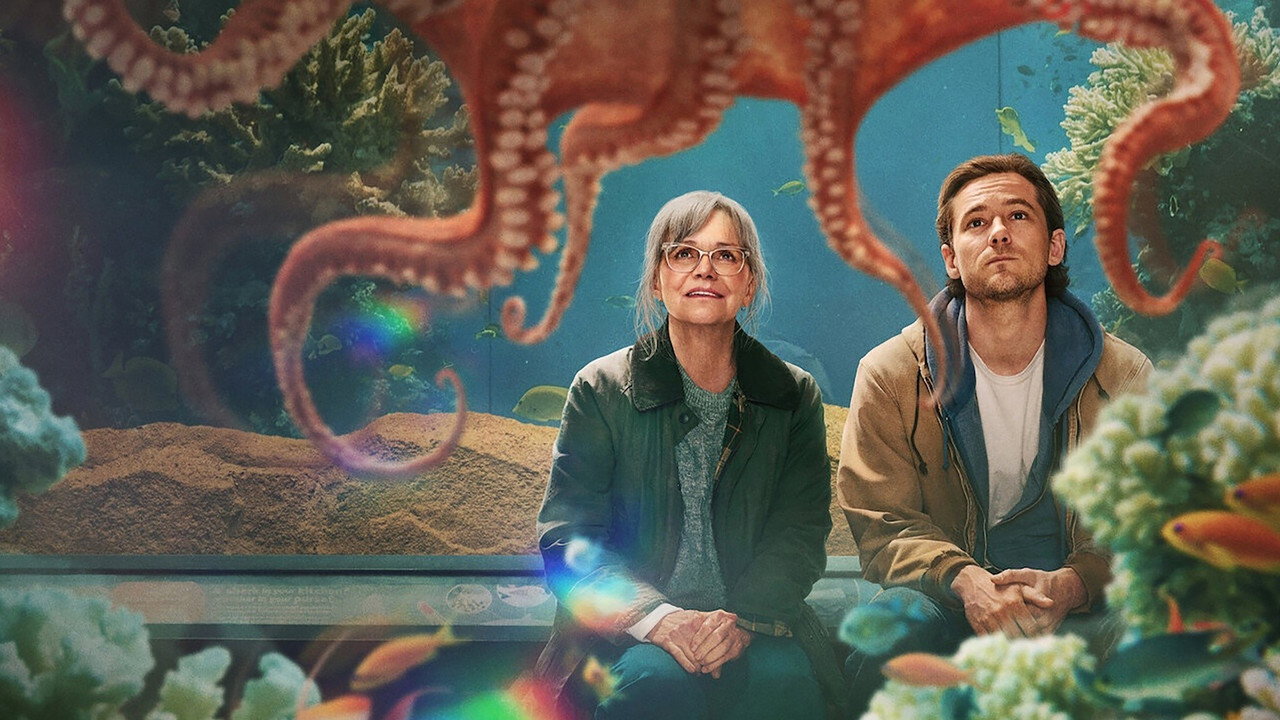
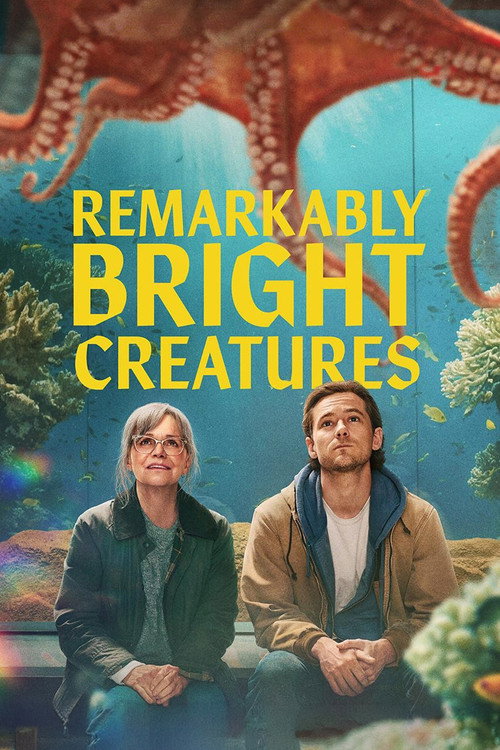

Adaptations of beloved novels are always a risky endeavor, especially when the source material is deeply cherished by its readers. Fans are fiercely protective of the characters and the narrative, meaning any deviation can lead to harsh criticism. However, the cinematic adaptation of *Remarkably Bright Creatures* manages to beautifully capture all the magic, melancholy, and hope of its source material. It stands out as a profoundly moving exploration of grief and connection in a world that often feels vast and lonely.
Currently holding a strong position on the Netflix Global Top 10 with nearly 4.9 million views, this film is a testament to the power of quiet, character-driven storytelling in an era often dominated by loud blockbusters. If you are looking for a film that will truly touch your heart, here is our deep-dive review of *Remarkably Bright Creatures* and why it is a cinematic gem.
The Premise: An Unlikely Friendship
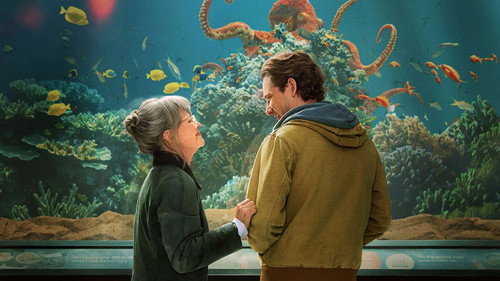
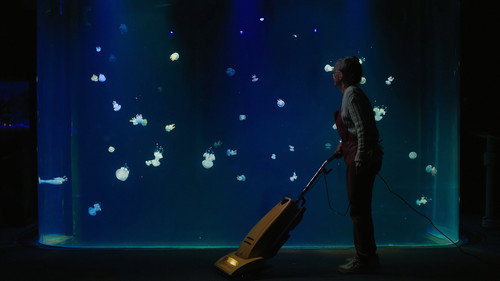
The narrative is anchored by Tova, a deeply stoic, elderly widow who refuses to let the crushing weight of her past slow her down. To keep herself busy and to cope with the mysterious disappearance of her son decades ago, she works the quiet night shift cleaning a local aquarium. Her solitary, meticulously scheduled life begins to change when she forms an unexpected bond with the aquarium's star attraction: Marcellus, a highly intelligent giant Pacific octopus.
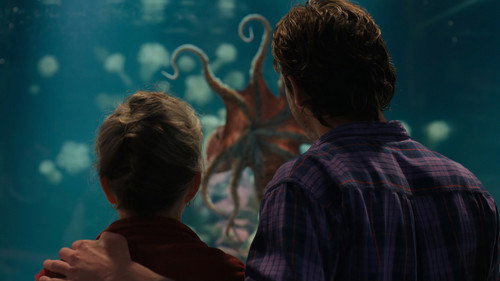
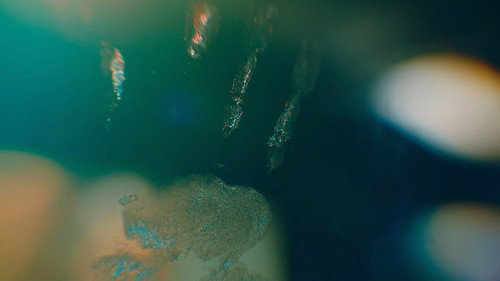
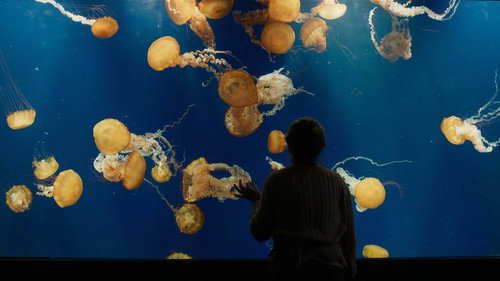
The brilliant twist of the narrative is that Marcellus is highly observant of the humans who stare at him through the glass. In his captivity, Marcellus, observing humans from his tank, has deduced the truth about what happened to Tova's son. Knowing that his own short lifespan is rapidly coming to an end, Marcellus must find a way to communicate this complex truth to Tova before his time runs out.
Character Analysis: The Weight of the Past
The heart of this film beats through its central characters, each dealing with their own form of captivity and loss. Tova's character is a masterclass in restrained grief. Her sorrow is woven into the way she rigorously cleans the aquarium glass and maintains her strict routines, masking a deep well of unresolved pain.
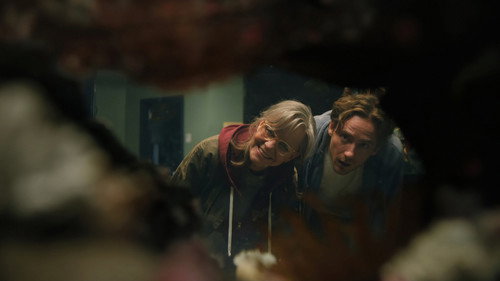
Then there is Cameron, a chaotic, somewhat lost local young man who enters Tova's orbit. Cameron is desperately searching for his own identity and a sense of belonging. His messy, unfocused energy serves as the perfect foil to Tova's rigid discipline.
Finally, there is Marcellus. The voiceover work for the octopus is absolutely fantastic, bringing a dry, witty, and surprisingly arrogant personality to the creature. He views humans with a mixture of disdain and deep affection. He is grumpy, hyper-observant, and incredibly endearing, serving as the emotional bridge between the two broken humans.
Visuals and Direction: The Beauty of the Deep
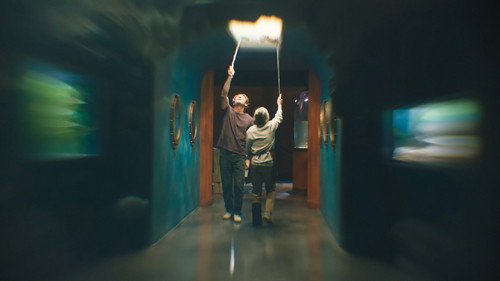
The cinematography in *Remarkably Bright Creatures* is breathtaking, perfectly capturing the moody, overcast beauty of a coastal town. The director uses the aquarium setting brilliantly. The thick glass of the tanks serves as a constant visual metaphor for the emotional walls the characters have built around themselves.
The visual rendering of Marcellus is a triumph of modern digital effects. The animators dedicated incredible attention to the movement of his tentacles, the shifting textures of his skin, and the expressive nature of his eyes. He never feels like a cartoon character; he feels like a living, breathing creature, anchoring the magical realism of the film in a stunning reality.
Why You Need to Watch This Movie
This is a rare film that allows its characters to breathe, mourn, and heal at a natural, deeply human pace. Here is why it needs to be on your watchlist:
* Heartbreakingly Beautiful: The nuanced exploration of aging, loneliness, and finding closure is handled with immense grace and sensitivity.
* Marcellus the Octopus: The rendering and voiceover of Marcellus are fantastic, creating one of the most memorable non-human characters in recent cinema.
* Emotional Depth: It respects the audience's intelligence and emotions, offering an authentic, hard-earned catharsis rather than cheap sentimentality.
---
⚠️ SPOILER ALERT: Ending Explained ⚠️
Do not read further if you have not watched the movie! We are about to dive into the final act and the tear-jerking conclusion of Remarkably Bright Creatures.
As the movie reaches its climax, time is running out for Marcellus. Through a series of incredibly clever interventions—moving objects, hiding clues, and interacting with Cameron—Marcellus manages to connect the final dots for the humans. He helps Tova realize the astonishing truth that Cameron is actually her long-lost grandson. The film reveals that Tova's son had died tragically, but not before fathering a child.
The Final Act:
The emotional weight of the finale is twofold. Tova and Cameron finally find the family they have both been desperately searching for. However, this beautiful reunion coincides with a heartbreaking reality: Marcellus reaches the end of his natural life.
The Final Scene:
Refusing to let her savior pass away in a small glass tank, Tova, now reunited with her grandson, breaks Marcellus out of the aquarium. In a final, tear-jerking sequence, they carry him to the edge of the water and release him into the ocean, allowing him to pass away in the wild, free sea.
The movie ends with Tova and Cameron standing together on the pier, watching the water. They are a broken family that has finally made whole again thanks to a remarkably bright creature.